MaltaTreks GO FURTHER · EXPLORE MORE
MALTATREKS / MY GEAR

My Gear. Tested Over the Miles.

The equipment I actually use for long-distance trekking in Malta and Gozo. Practical choices, personal experiences and gear I keep using while it does its job.

The equipment I rely on

I prefer keeping equipment that still does its job rather than upgrading simply because something newer exists. Here is what has earned a place in my kit.

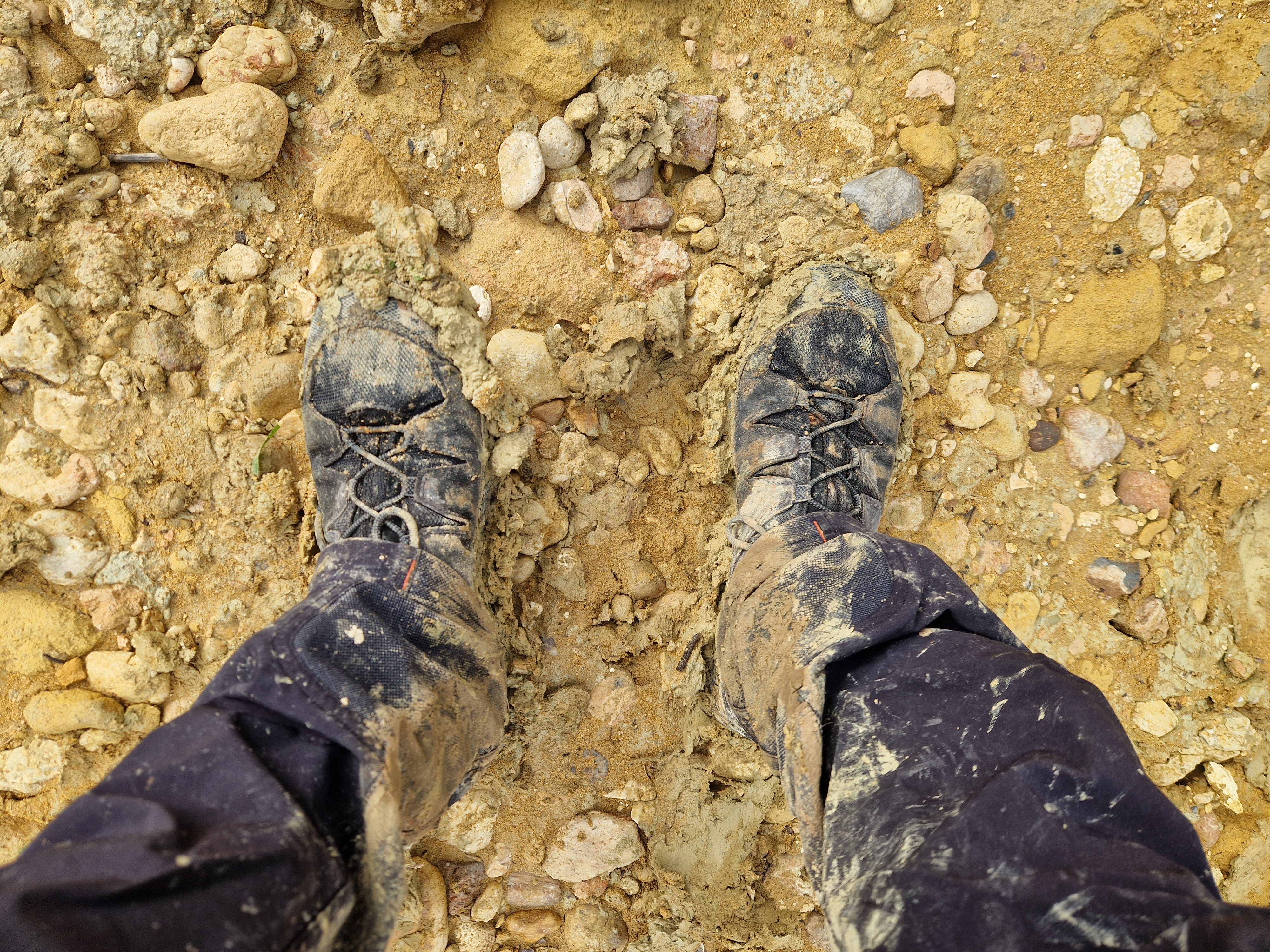
My Salomon Quest Rove Gore-Tex boots

Salomon Quest Rove Gore-Tex

My main long-distance trekking boots

I've covered more than 400km in these boots, including around 120km of preparation for Round Malta and the 137km trek itself.

As with other Salomon footwear I've used, I've found the grip very good, and the fit suits my slightly wide feet. During Round Malta in May, I did start getting blisters underneath my feet after about 100km. The warmer conditions may have contributed.

My takeReliable grip and a comfortable fit for my feet. For summer trekking, I switch to my non-waterproof Salomon X-Ultra shoes, which I find more breathable.

For summer: Salomon X-Ultra

When summer arrives, I switch from my Gore-Tex boots to my non-waterproof Salomon X-Ultra footwear. I find the extra breathability better suited to trekking in Malta's warmer weather. These boots were my choice for my last Round Gozo trek.

My takeA useful alternative when breathability matters more to me than waterproofing.
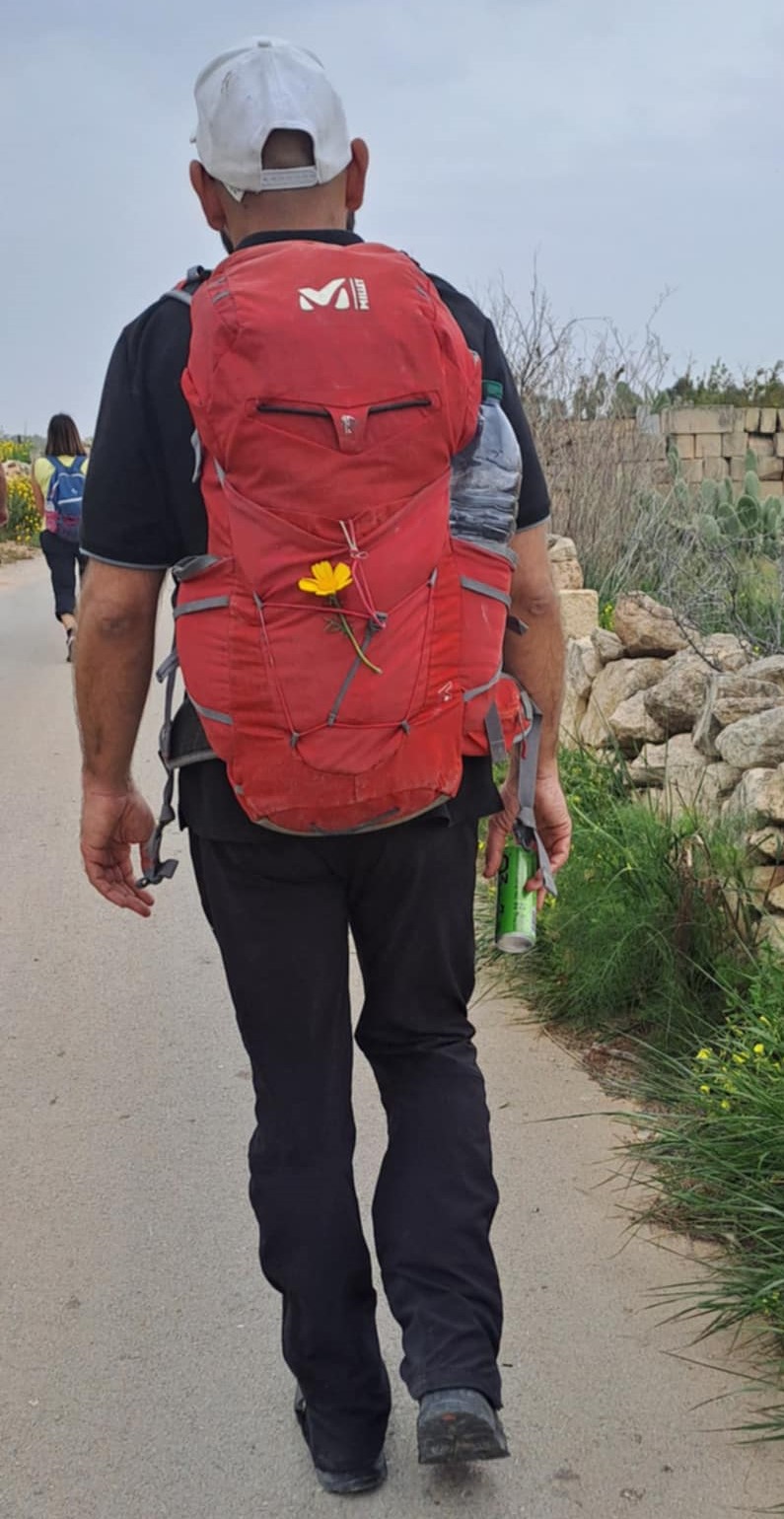
My Millet Venom 30L backpack

Millet Venom 30L

My long-serving 30L daypack

I originally bought this as my daypack for Kilimanjaro. Ten years later, I'm still using it on treks around Malta and Gozo. I don't replace equipment just to have something new: if it works, it works.

It's comfortable and the storage is easy to access. It isn't waterproof, and the front attachment straps have now worn away. The pack certainly looks weathered, but who cares on the trail?

My takeIt's served me very well for a decade. With the straps gone, though, it may finally be time for a replacement.
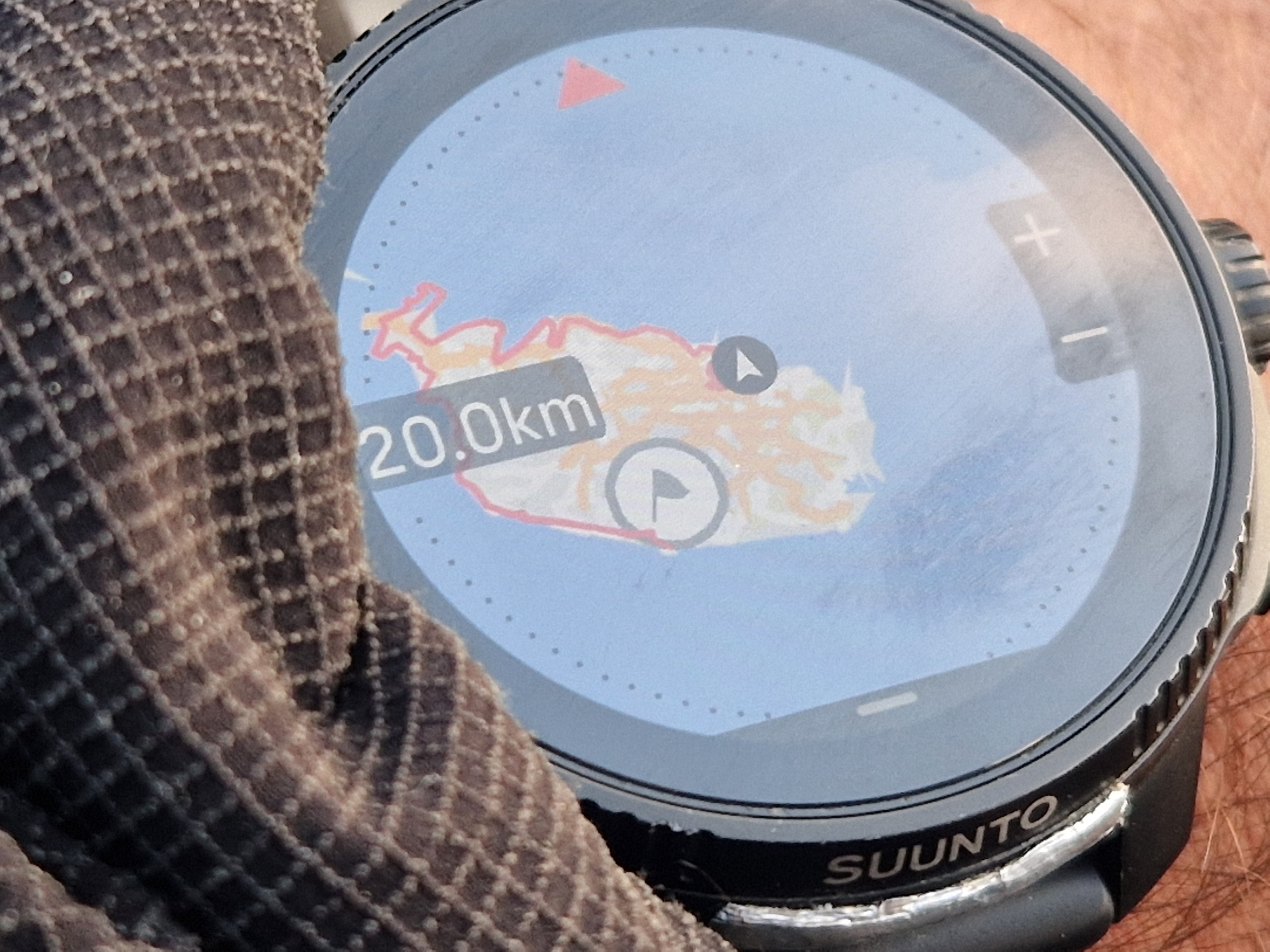
My Suunto Race watch

Suunto Race

Everyday watch and trek recorder

I'd owned a Suunto years ago and wanted to stay with the same account — and try something different from the Garmins everyone seems to have. I like its relatively understated design, which works for everyday wear as well as trekking.

I mainly use it to record my activities, although I love having the map feature. Battery life is fine for my needs: it covered Round Malta comfortably and hasn't been an issue on local treks.

My takeThe Suunto Race 2 is out, but mine still performs its primary functions well. I don't see a reason to upgrade just for the sake of it.
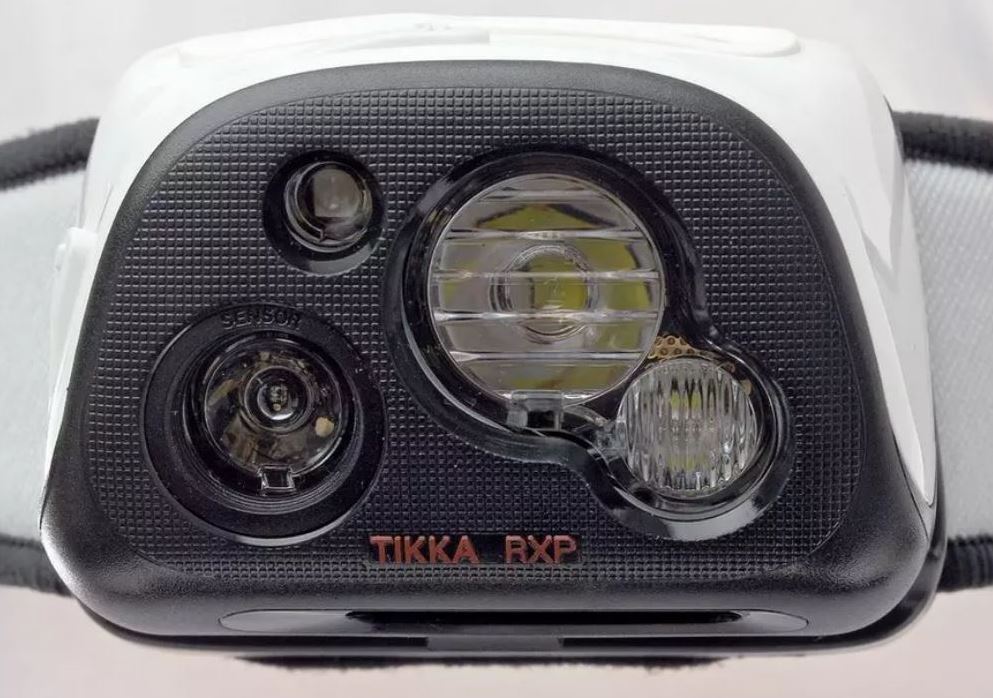
My Petzl Tikka RXP headtorch

Petzl Tikka RXP

My long-serving headtorch

I originally chose this headtorch for Kilimanjaro years ago, and it's still working. The reactive lighting feature is particularly useful when walking near oncoming cars, something that's common in Malta. I also appreciate the three power settings, especially high power in completely unlit areas.

I can recharge it from my powerbank if needed, although that's rarely necessary on local treks unless I use the highest setting for hours.

My takeI still love it. The headband has long since worn out and needs sorting, but the torch itself continues to do the job.
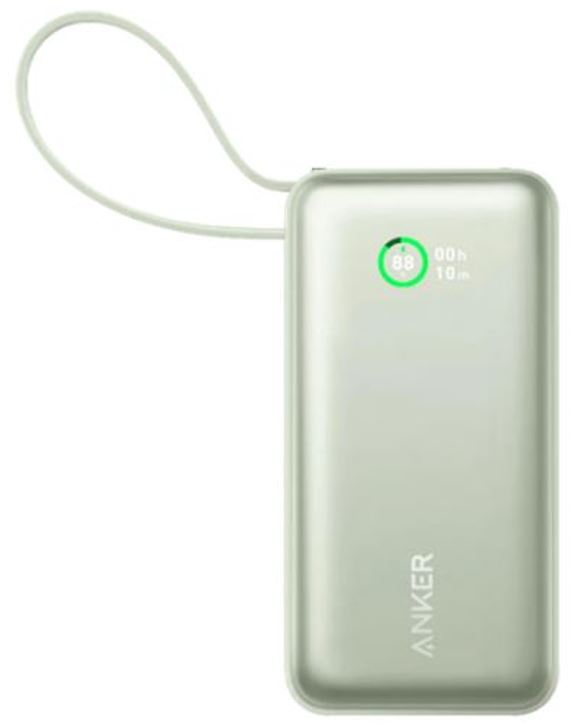
My Anker Nano 10000mAh powerbank

Anker Nano 10,000mAh

Fast charging, with a built-in cable

I love the fast charging, particularly when topping up my phone during a break. In my experience, it gives me about two complete charges of my Samsung Galaxy S22+.

The integrated charging cable is a big plus: one less separate cable to carry or forget. It's also handy for keeping my electronics charged during longer treks.

My takeA practical piece of kit with useful capacity, convenient fast charging and a built-in cable.

Actual charge count varies with battery condition, phone use and charging losses.

Forgotten Essentials

Small things that can save a trek. These inexpensive items are easy to overlook, but can prove invaluable when you're many kilometres from your starting point.

  • Fabric tape — For emergency repairs, even a loose boot sole. Mine held for the final 25km of Round Gozo.
  • Cable ties — Lightweight, versatile fixes for loose or broken equipment.
  • Spare socks — A fresh, dry pair helps keep feet comfortable over long distances.
  • Hat — Essential protection on Malta’s exposed, often shade-free routes.
  • Sunblock (SPF 50+) — Apply before setting off and reapply during long hours in the sun.
  • Sterile gauze and bandage — To cover and protect blisters or rubbed skin.

They take up very little room in a backpack, but can be worth far more than their weight when something unexpected happens. Emergency repairs are temporary — check equipment safety before continuing.

A small detail that makes a difference

My personal approach to sock layering and foot care on very long treks.

Two layers of socks, plus regular airing breaks

For particularly long treks, I wear a very thin merino wool liner sock under a standard trekking sock. I heard this recommendation some time ago and found that it works for me.

After about 50km, I tend to stop every 10km — roughly every two hours — to take off my socks and let them dry for around 10 minutes before carrying on.

This is my personal routine, not a guarantee against blisters. Footwear fit, weather and individual comfort all matter.